
How We Raise Our Queens
By Justin Jacobeen — Certified Master Beekeeper, Been’s Bees · November 15, 2026
Raising quality queens takes a lot of time, patience, work, and record keeping. This long-form article covers our entire process. We take great pride in each and every queen we raise, and want to share our process.
Selection Pool
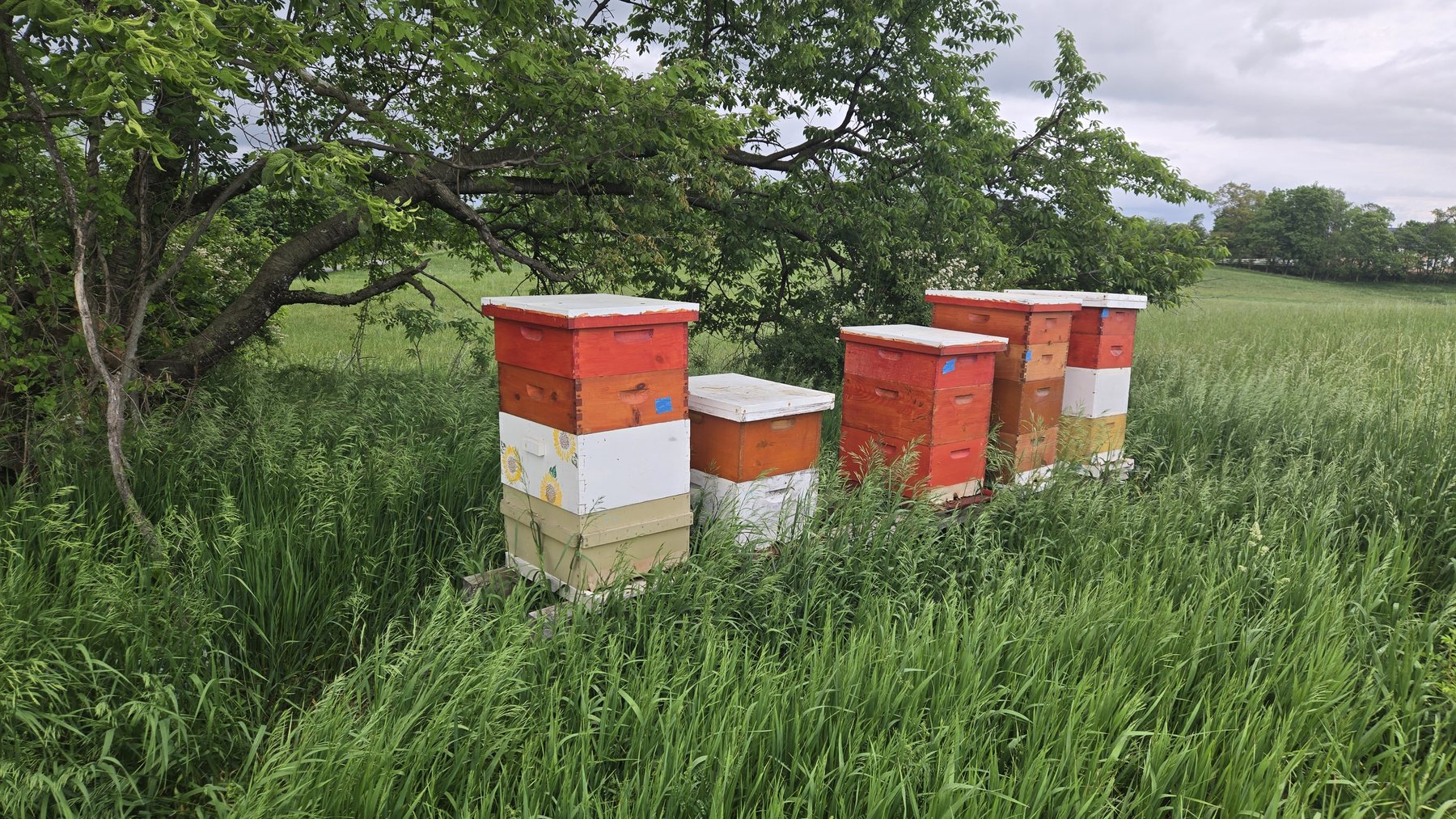
Before queen breeding even begins, we have to first select what genetic lines to breed from. We have detailed records stretching back many years that track various performance metrics for every queen in the yard.
Every spring before we even open a hive, we review records from the past year and evaluate each colony that survived the previous winter. We assemble a pool of potential breeder colonies based on survival, varroa count, and temperament metrics.
History of Survival
Every queen that enters the selection pool must be from a genetic line that has survived the local winters for at least three years. While we accept queens that have survived a single winter themselves, a queen that has survived 2 or more years gets a higher score.
Varroa Count
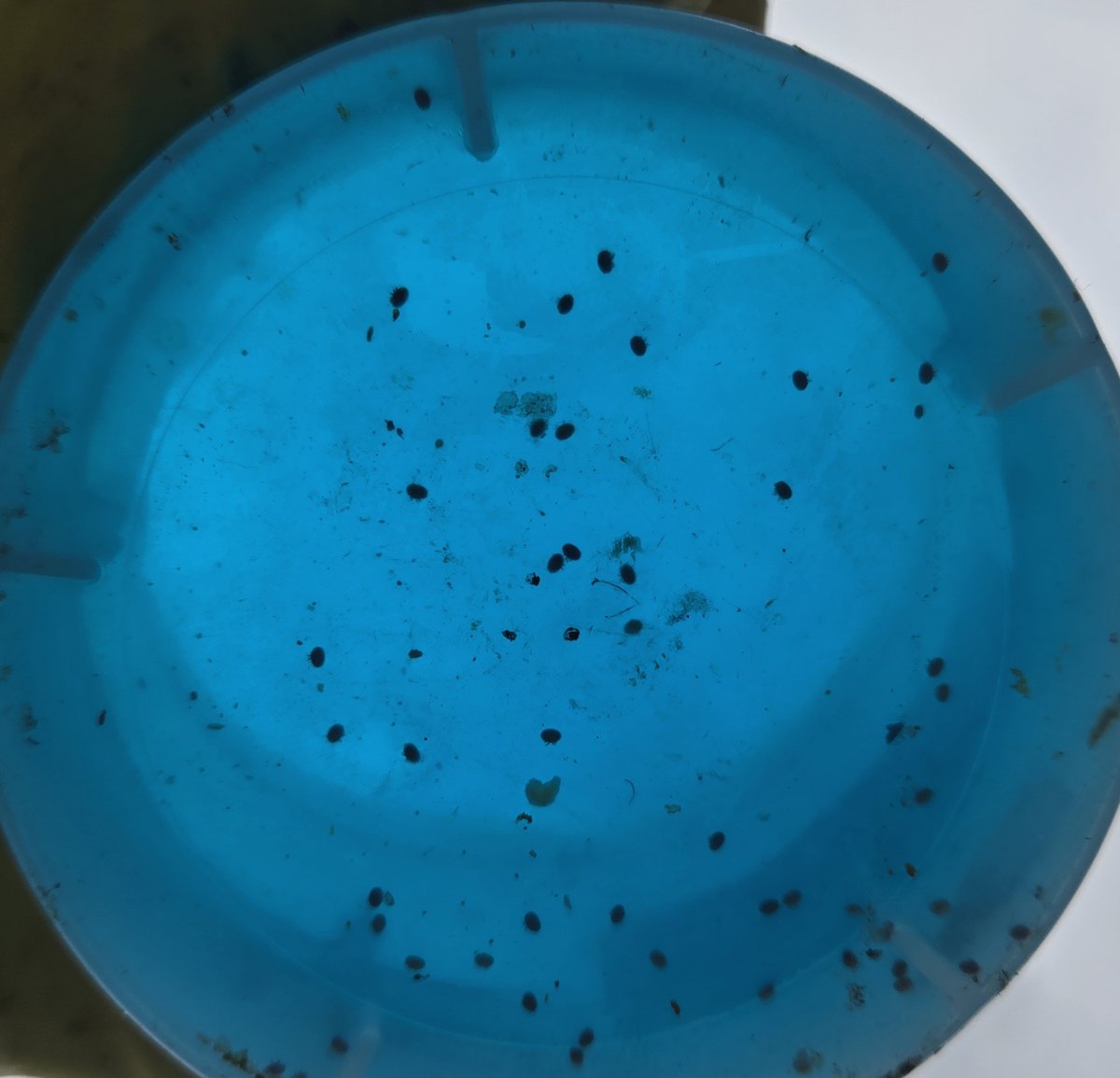
We keep detailed records of each varroa mite test we do. In order to be eligible, a hive must have at least two varroa mite tests at or below the mite treatment threshold. The lower the average mite count of the colony, the higher the score.
Temperament
We have found that there is a happy medium when it comes to temperament. In our observation, bees that are too gentle tend to struggle to keep varroa mites and other pests under control, and often have a low varroa score. Defensive bees often score higher on the varroa score, but are too difficult or dangerous to keep in the back yard. We score each colony on a 1 to 5 temperament score. Bees that score a 1 can be worked without a veil, and bees that score a 5 are far too dangerous to be kept near people. Our goal is to raise bees that score a 2, gentle but will stand up for themselves if needed.
Hygienic Testing
Once it is warm enough to safely work the hives, each colony in the selection pool undergoes hygienic testing using the pin-killed brood test.
The pin-killed brood test
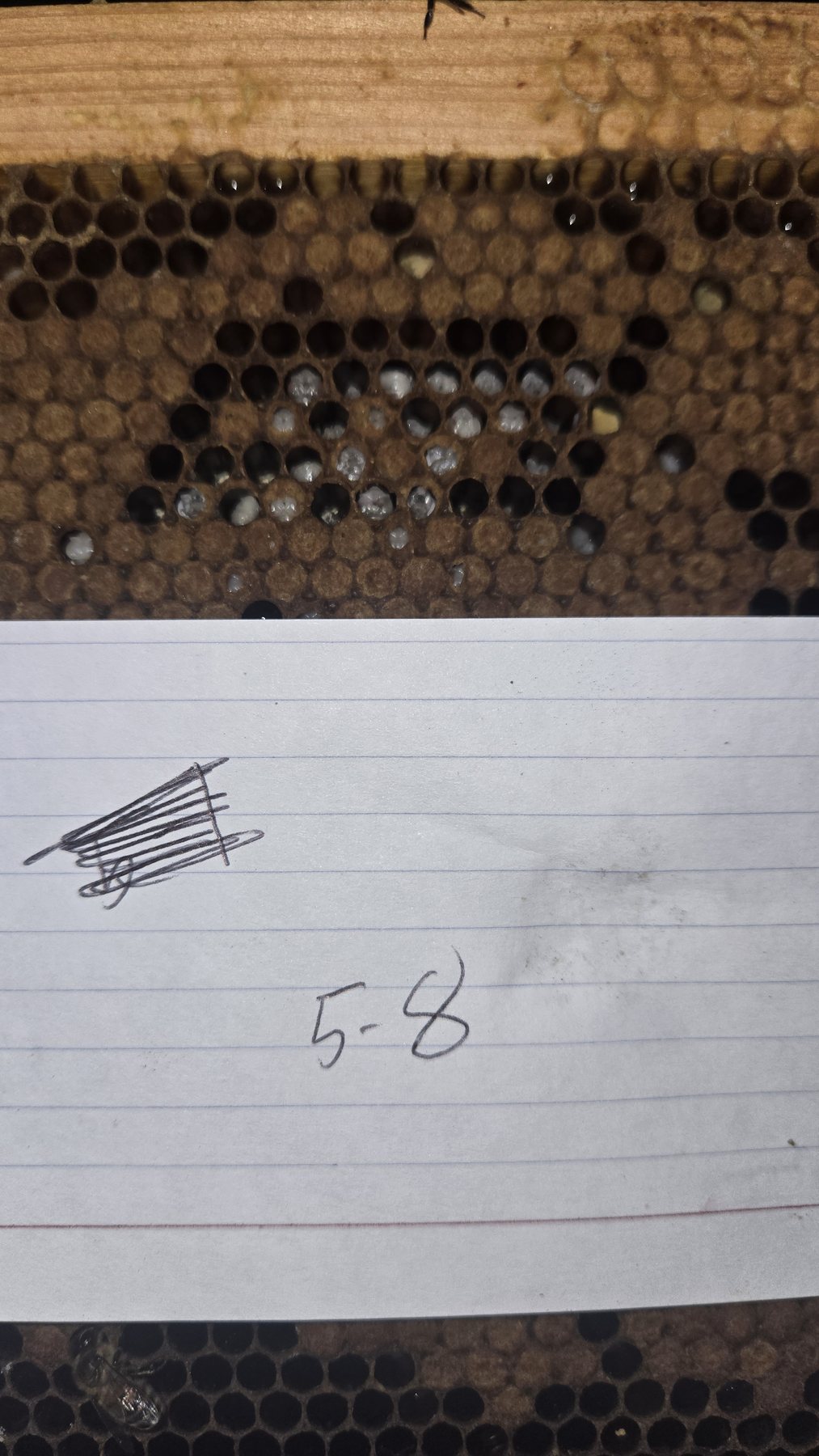
Hygienic bees notice dead or sick brood under the cappings, open the cell, and haul it out. That habit helps the colony clear brood disease before it spreads, and gives it some help against varroa mites breeding in the brood.
To measure it we use the EZPZ pin-killed brood assay, recommended by the Northern Queen Initiative and the Sustainable Beekeepers Guild of Michigan. We pick a patch of capped brood, kill the pupae in a counted block of cells with a pin, and put the frame back. Then we come back and count how many of those cells the bees have uncapped and cleaned out. The test is a screen, not a guarantee. Researchers use the freeze-killed version of this test the same way, as the first cut for choosing breeders (Spivak & Reuter, SARE; Penn State Extension). A queen from hygienic stock gives your colony some help against mites and brood disease. You still have to monitor and manage mites like everyone else.
Once we have the results from the hygienic testing, we score each colony and genetic line. We choose one or two queens from each line with the highest scores to be that year’s breeder queens.
Grafting and Mating
Once our breeding stock is selected, we graft day-old larvae from the breeder colonies into queen cups and give them to a strong colony set up to raise them. Just before the queen cells emerge, they are moved into a two-frame queen castle or emergence cage. The virgin is allowed 2 weeks to mate and start laying eggs. Once each queen is mated and laying, we mark her and then wait until her first round of brood is capped, allowing us to easily evaluate her laying quality and pattern. Queens that do not meet our quality standards are removed and used in one of our hives, and not sold.
Sale
Each of our queens lives in a 2- or 3-frame mini hive until she is needed or sold. On the day of sale, we will go and select a queen, place her in a cage, and have her ready no more than a few hours ahead of pickup. While mail-ordered queens are routinely shipped and spend days in a cage with a few attendants, we feel that the less time a queen spends out of a colony the better.
Transportation, Storage, and Installation
Research has shown that temperature swings during shipping can be detrimental to the queen’s vitality, so we do everything we can to reduce stress. Our article Why Buy Local Bees covers that research on shipping stress, with sources.
Each of our cages comes with a candy plug, and we recommend installing the queen and the cage as soon as possible. While queens can survive for several days at room temperature, we strongly suggest keeping them in a warm and moderately humid environment. A pants or shirt pocket is nearly perfect! If a queen must be stored outside a hive for more than a few hours, place a drop of water on the cage several times a day to allow the bees to remain hydrated.
Call or text Been’s Bees at (717) 583-8332 — live honeybee removal, free swarm collection, bees, and raw local honey across Central PA.